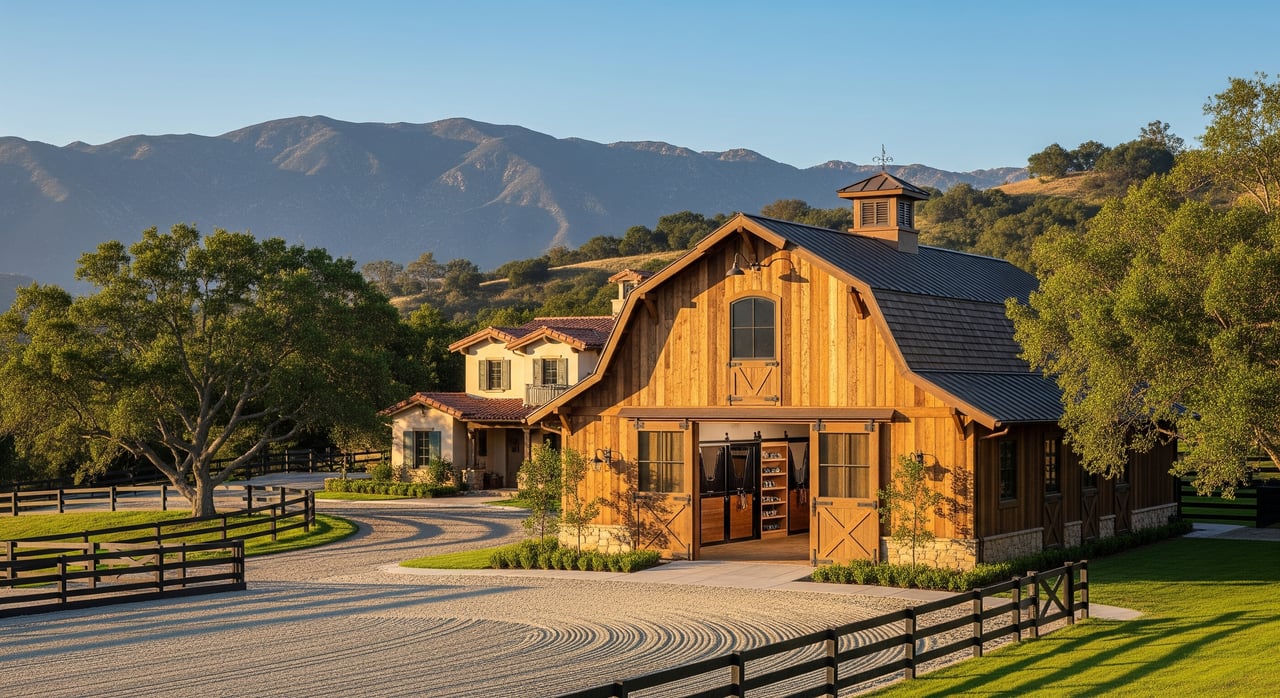
Dreaming of riding out from your backyard while staying close to Los Angeles and the Conejo Valley? If you are eyeing Agoura Hills for an equestrian home, you are not alone. The area blends trail access, privacy, and a relaxed rural feel with city convenience, which is why it is a favorite with horse owners. In this primer, you will learn how to evaluate land, barns, arenas, permits, water, fire safety, and costs so you can buy with confidence. Let’s dive in.
Why Agoura Hills fits riders
Agoura Hills sits at the eastern edge of the Santa Monica Mountains, which means trail networks are a real draw. Nearby access points include Cheeseboro and Palo Comado, the Paramount Ranch area, and segments of the Backbone Trail within the Santa Monica Mountains National Recreation Area. Malibu Creek State Park and other regional open spaces add more rideable options.
Your day-to-day experience depends on how your property connects to these systems. Some parcels have direct access to municipal or private trail easements, while others need a short trailer haul to public trailheads. Always confirm public access points, trailer parking rules, and permitted equestrian uses with the managing agency before you count on a route.
Start with the land
When you shop equestrian properties, usable acreage matters more than total acreage. Parcels can range from around 1 acre to 5–20 plus acres, yet steep slopes, riparian areas, or conservation easements can limit where you can place barns, arenas, or turnout. Flat or gently sloped ground is best for daily horsekeeping and safer footing.
Soil and drainage affect comfort and maintenance. Poorly draining soils can create muddy paddocks and impact septic performance. Ask for soil maps, any percolation test history, and prior geotechnical or hydrology reports tied to the parcel. If the property lies in a canyon bottom, also review FEMA flood maps and local floodplain designations to understand flood and debris flow risk.
Water and wastewater basics
Reliable water is non-negotiable for horses. Many Agoura Hills homes connect to municipal water, including parts served by Las Virgenes Municipal Water District. Some rural parcels rely on private wells or hauled water. Verify the source, capacity, pressure, and water quality, and ask about any agricultural watering limits that could apply during dry seasons.
Sewer availability varies by location. If the property uses a septic system, confirm its capacity and current approval status. Adding arena restrooms, a barn wash rack with drains, or an accessory dwelling unit may require septic upgrades and fresh percolation tests. Check with local environmental health for sizing and setbacks before you plan improvements.
Barns, shelters, and arenas
Evaluate existing improvements with the same care you would give the main house. For barns and shelters, note stall count and size, ventilation, tack and feed storage, wash racks, and whether there is electrical or plumbing. Inspect framing, roof condition, moisture and rodent control, and stall partitions for safety. Electrical service should be up to code for both the barn and any outbuildings.
Arena size and footing shape your riding routine. Many schooling arenas run about 60 by 120 feet, larger training arenas often span up to 100 by 200 feet, and a standard dressage arena is 20 meters by 60 meters. Quality footing and drainage are key to year-round use. In hillside settings, expect that arena construction or major grading will require permits and engineered drainage plans.
Turnout, paddocks, and fencing
Your management style influences paddock size and layout. Small daily turnout pens near the barn can work for high-use routines, while larger pastures support rotational grazing when the land allows. Plan for safe, visible fencing and a manure handling setup that keeps odors and runoff under control.
Fencing types you will see include post and rail wood, vinyl rail, pipe rail, wire mesh with a visibility rail, and electric tape. Each option has a different safety profile, cost, and maintenance schedule. Look for broken rails, sharp edges, and loose wires, and budget for repairs or replacement if the perimeter is tired.
Access, vehicles, and utilities
Good trailer access makes life easier and safer. Check gate width, driveway grade, turning radii, and any pinch points between walls or landscaping. Confirm who maintains the road if it is private, and understand how gates are handled for daily use and emergency egress.
Utilities deserve a close look. Barn lighting, arena lights, and water pumps may require electrical capacity upgrades. Confirm whether the property uses propane or natural gas and whether internet and cellular service meet your needs. Rural pockets can have limited connectivity.
Zoning and permits
Before you fall in love with a property, confirm your jurisdiction. Some parcels sit within the City of Agoura Hills, while others are in unincorporated Los Angeles County. Jurisdiction determines zoning, animal allowances, and how permits are processed, so your first call is to the city planning department or the county’s Department of Regional Planning.
Zoning often sets how many large animals are allowed per acre and what accessory structures you can build. Barns, arenas, and shelters may require building permits when they exceed size thresholds or include electrical or plumbing. Significant grading or drainage work typically needs permits and may trigger geotechnical reports, especially on hillsides.
If you plan to add or expand septic, consult the local environmental health office for percolation testing and system design requirements. For wells, check state and local reporting rules and any restrictions on new drilling. If you want an accessory dwelling unit for staff or family, California’s ADU laws allow them in many residential zones, but local siting, septic capacity, and fire access rules still apply.
Running a commercial boarding or training operation is different from private horsekeeping. Business uses can trigger extra licensing, permits, and insurance. Homeowners in communities with CC&Rs or HOAs should review rules for animals, arena lighting, and fencing styles before they buy.
Wildfire safety in the foothills
The Santa Monica Mountains area carries high wildfire risk. Expect requirements for defensible space, including brush clearance around structures. Driveways must meet minimum widths and turnaround standards for emergency access, and some properties will need on-site water storage or hydrants to support firefighting.
Material choices for barns and outbuildings also matter. Ignition-resistant construction and ember-resistant vents can reduce vulnerability. Ask the local fire department about property-specific defensible space checklists and animal evacuation planning so you are ready well before fire season.
Environmental constraints to respect
Agoura Hills includes sensitive resources like riparian corridors and protected oak woodlands. If you plan new structures or significant grading, you may encounter tree protection rules, riparian setbacks, or conservation easements. Projects near streams, wetlands, or protected species habitat can require environmental review under state and federal law.
These constraints do not rule out improvements, but they can shape location, size, and timing. Bring in qualified consultants early if your vision includes arenas on slopes, new barns near creeks, or substantial oak removal.
Costs to expect
Budget for both upfront projects and ongoing care. Fence repair or replacement varies by material and terrain, with rough ranges from about 5 to 25 dollars or more per linear foot. Arena construction can span from a modest prepared surface to a large, lighted, well-drained arena, which can reach tens or hundreds of thousands of dollars depending on size and engineering.
Barn construction or renovations also range widely. A simple run-in shelter costs far less than a custom multi-stall barn with tack rooms and plumbing. Ongoing ownership includes hay and feed, veterinary and farrier care, manure removal, fencing maintenance, utilities, property taxes, and insurance.
What to inspect and confirm
Use this checklist as you evaluate a property:
- Jurisdiction and zoning. Confirm city or county, animal allowances, and what improvements are permitted.
- Water source and capacity. Verify municipal service, well performance, or hauled water logistics.
- Septic or sewer. Check system sizing, approval status, and any constraints for restrooms or ADUs.
- Barns and arenas. Inspect structure, electrical, footing, drainage, and lighting.
- Fencing and turnout. Review condition, safety, and perimeter security.
- Trailer access. Confirm driveway grade, gate width, turning radius, and legal access easements.
- Fire safety. Look for defensible space compliance, emergency access, and on-site water for firefighting.
- Manure handling. Identify storage, composting, or removal service and any local rules on runoff or odor.
- Trail access. Map nearby trailheads and confirm public access and parking policies with managing agencies.
- CC&Rs or HOA rules. Check animal limits, fencing styles, and lighting restrictions.
- Environmental encumbrances. Ask about oak protections, riparian setbacks, and conservation easements.
A step-by-step purchase plan
- Clarify your priorities. Rank what matters most, such as turnout, private arena, or trail access.
- Verify the rules early. Call city or county planning, environmental health, and the local fire department about the parcel and your intended use.
- Walk the land with purpose. Evaluate slope, drainage, arena locations, barn condition, and trailer access, and note any red flags.
- Write a strong, informed offer. Include time for inspections and permit verification so you can validate improvements and costs.
- Finalize your plan. Line up contractors, engineers, and equine professionals to price upgrades and maintenance before you close.
Smart questions to ask
- Sellers. What is the history of flood or debris events, water reliability, septic service, and permits for barns and arenas? How old are the fences and shelters?
- City or county planning. What are the animal allowances per zoning? What permits are needed for my planned arena or barn, and what are the setbacks?
- Fire department. What defensible space, driveway width, and turnaround standards apply? Is on-site water storage required?
- Water and sanitation. Is there capacity for added fixtures or an ADU? Are there any current service limitations or moratoriums?
How our team helps
Buying an equestrian property requires coordination across planning, fire, water, and environmental reviewers, plus practical barn and arena expertise. Our team brings white-glove guidance, from pre-offer due diligence to vendor introductions for inspections, drainage design, and barn or arena work. You focus on the vision while we help manage the details.
If you want the privacy and trail lifestyle Agoura Hills offers, the keys are clear: prioritize flat, usable acreage, reliable water, safe fencing and access, and compliant barns and arenas. Confirm jurisdiction and rules up front, budget for arena footing and wildfire mitigation, and rely on experienced professionals for inspections and design. When you are ready to tour properties or want a second opinion on a parcel, connect with Alessandro Corona for private guidance and a streamlined path to ownership.
FAQs
How much land do I need for two horses in Agoura Hills?
- Requirements vary by zoning and jurisdiction, so confirm animal allowances per acre with the City of Agoura Hills or Los Angeles County for the specific parcel.
Can I ride from my Agoura Hills property onto local trails?
- Some parcels connect to municipal or private trail easements, while others require a short trailer haul to trailheads like Cheeseboro or Paramount Ranch, so verify access and parking rules with the managing agency.
Do I need a permit to build or expand an arena?
- Significant grading and drainage work usually require permits and may need engineered plans, especially on hillsides, so check with planning and public works before you build.
What should I check about water and septic on a horse property?
- Verify water source and capacity, and confirm septic system sizing and current approvals since added fixtures like wash racks or restrooms can require upgrades and percolation tests.
How does wildfire risk affect an equestrian property in Agoura Hills?
- Properties typically must maintain defensible space, meet driveway and turnaround standards, and in some cases provide on-site water for firefighting, so coordinate with the local fire department.
Can I run a boarding or training business from my Agoura Hills home?
- Business uses often trigger extra licensing, permits, and insurance beyond private horsekeeping, and HOA or CC&R rules may add limits, so verify with the proper agencies first.