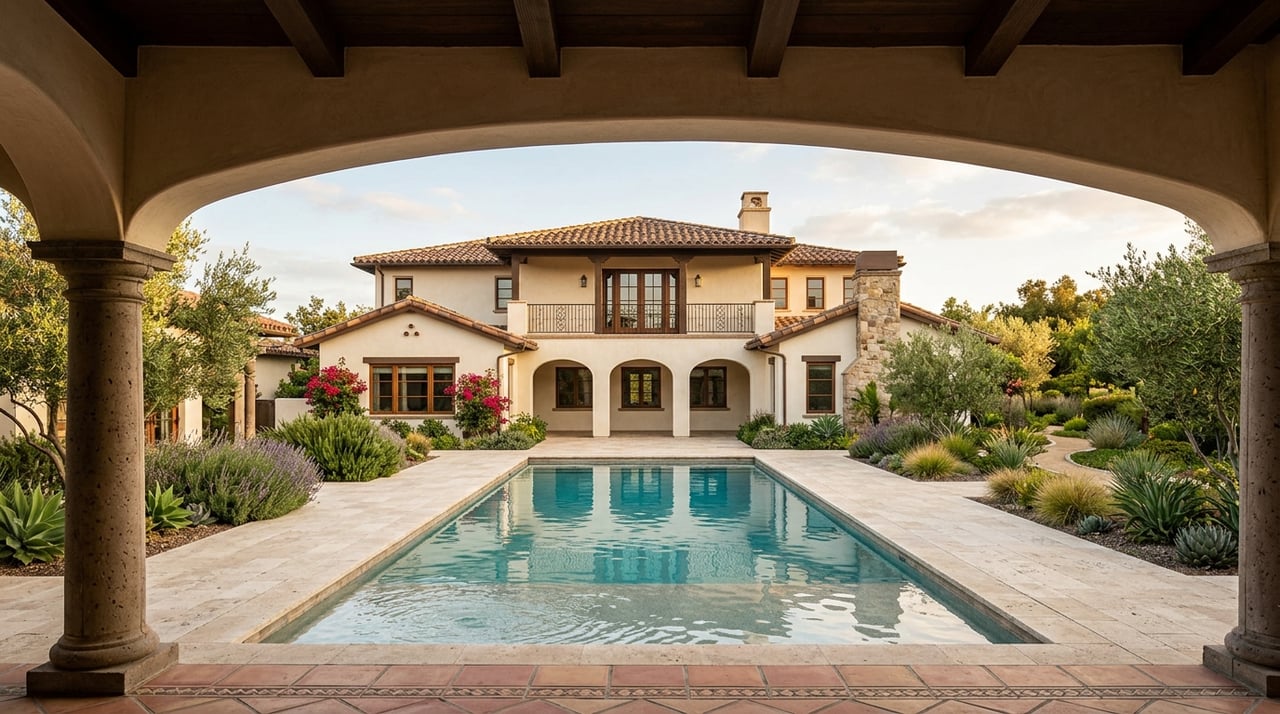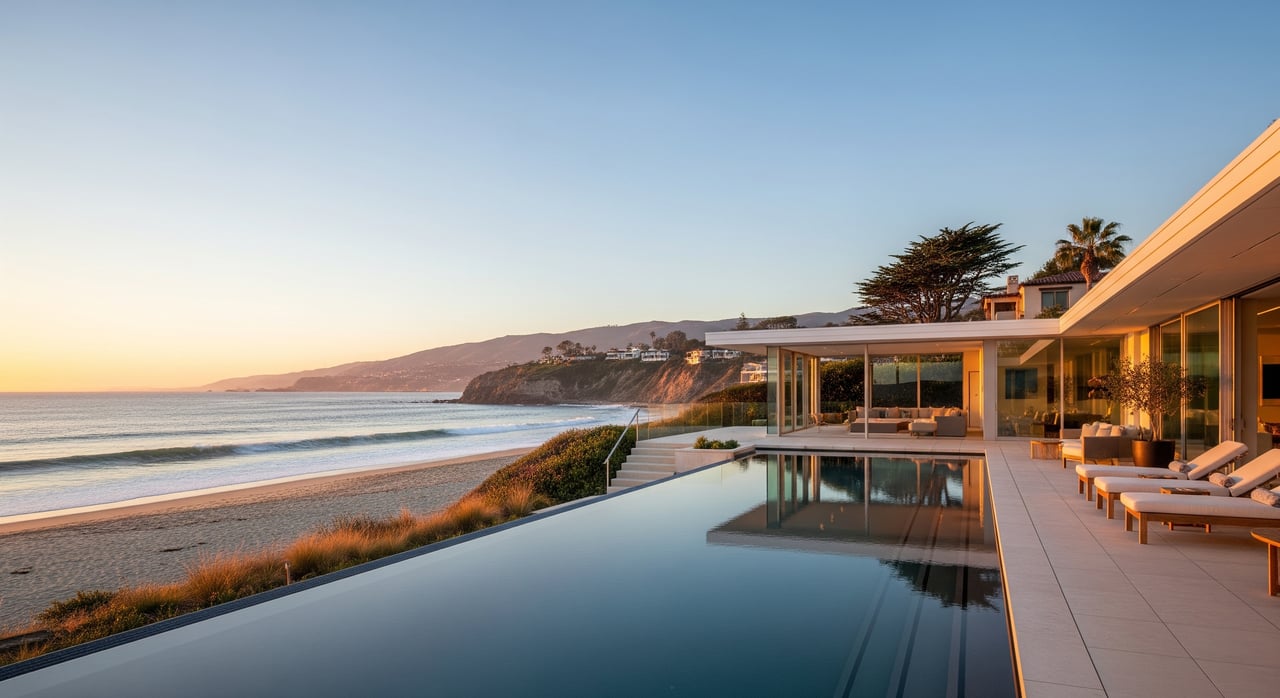
Two of Malibu’s most recognizable addresses promise world-class ocean living, yet they offer very different day-to-day experiences. If you are deciding between Broad Beach and Malibu Road, you are likely weighing privacy, beach access, long-term risk, and resale appeal. You want clarity before you plan a visit or make an offer. This guide gives you a clear, buyer-focused comparison, plus a practical due-diligence checklist so you can act with confidence. Let’s dive in.
Neighborhood snapshot
Broad Beach at a glance
Broad Beach sits along a long, sandy shoreline in western Malibu. Many homes back directly onto the sand, creating a true beach lifestyle with level or gently sloped access. Public access points exist along PCH, so you should expect regular beach activity nearby. Any development or shoreline work here falls under oversight from the California Coastal Commission and the City of Malibu.
Malibu Road at a glance
Malibu Road refers to a collection of bluff-edge and coastal roadway addresses that run roughly parallel to parts of PCH in central and western Malibu. Homes often sit at higher elevations with sweeping ocean views and more separation from the sand. Bluff-top development follows strict rules on setbacks and stabilization under the City of Malibu Planning and Building and the California Coastal Commission.
Lifestyle and beach experience
Beach access and daily rhythm
If you want to step off your deck and onto the sand, Broad Beach delivers that immediate, beach-centric rhythm. Morning swims, paddle sessions, and sunset walks can be part of your daily routine. Because access is public, you also share the shoreline with beachgoers. Malibu Road’s bluff-top areas offer an ocean-forward lifestyle with panoramic views and quieter property lines. You typically reach the beach via private stairs, shared paths, or a short drive to public access points.
Privacy, views, and noise
Elevation and setbacks on Malibu Road usually mean greater privacy and wider sightlines. Neighbors are often screened by landscaping and lot spacing. Broad Beach homes trade some privacy for direct beach frontage, and your outdoor spaces may be visible from the sand. Sound carries differently too. Broad Beach has more day-use activity nearby, while Malibu Road can experience traffic noise depending on proximity to PCH.
Architecture and lot types
Broad Beach home styles
You will find contemporary oceanfront homes with large glass facades and multi-level plans that open to the sand. Many lots are lower in elevation with flat outdoor spaces that blend into the beach. Materials and finishes favor coastal durability, yet the exposure can drive frequent upkeep.
Malibu Road home styles
Bluff-top estates often feature tiered decks, pools, and terraces that maximize the view. Many homes blend modern renovations with mid-century or cottage origins. The elevation gives you dramatic vistas and space to design outdoor areas that feel private and serene.
Permits, structure, and constraints
Both areas are tightly regulated. Additions, new construction, and protective measures require Coastal Development Permits and must align with local and state policies. The California Coastal Commission generally scrutinizes shoreline armoring, and the City of Malibu Planning and Building administers local codes and reviews. Bluff-top homes often need geotechnical studies and specialized foundations to address slope stability. Beachfront homes face wave action and storm surge, which can influence foundation type and design.
Risk, maintenance, and insurance
Erosion, flooding, and sea-level rise
Beachfront properties experience more direct exposure to storms and seasonal sand changes. Bluff properties avoid wave attack but can face bluff erosion over time. To evaluate exposure, review FEMA flood zones for any property you are considering using the FEMA Flood Map Service Center. For longer-term planning, explore sea-level rise scenarios with NOAA’s Sea Level Rise and Coastal Flooding Viewer. These tools help frame both short-term flooding and long-horizon risk.
Insurance, lending, and upkeep
Standard homeowners policies often exclude flood and may limit coverage for erosion or wave-driven losses. Many coastal buyers secure separate flood policies, and premiums can be higher than inland norms. Obtain quotes early and ask about exclusions tied to shoreline conditions. Some lenders evaluate coastal risk closely and may request engineering reports or decline higher-risk collateral. On maintenance, beachfront homes typically see faster wear on exterior finishes, windows, and metals. Bluff-top homes endure wind and salt but reduce direct wave exposure. Where bluffs require stabilization, engineering and long-term monitoring can be significant investments.
Price dynamics and resale
Both Broad Beach and Malibu Road sit at the top end of Malibu’s market. Direct sand frontage often commands a premium for daily beach access. Bluff-top privacy and perceived longevity can also drive strong pricing. Liquidity for ultra-luxury coastal properties is unique. Inventory is limited, timelines can stretch, and lifestyle motivations drive many deals. As a buyer, you should ground pricing discussions in recent comparable sales and property-specific risk factors. As a future seller, highlight what your parcel optimizes, whether that is frontage and dune-to-deck living or commanding views with shelter from the surf.
Which address fits you
Choose Broad Beach if you value
- Direct-to-sand living and a true beach routine.
- A lively shoreline with daily sun, surf, and people nearby.
- Contemporary oceanfront architecture that embraces indoor-outdoor flow.
- A front-row feel and easy access for family and guests.
Choose Malibu Road if you value
- Elevated privacy and cinematic, wide-angle ocean views.
- Outdoor terraces, pools, and landscaped yards set back from public sand.
- A quieter property line with fewer passersby.
- Architecture that takes advantage of bluff elevation and setbacks.
Due diligence checklist for Malibu coastal buys
Use these steps early to reduce surprises and expedite underwriting and design planning.
- Verify jurisdiction and permits. Confirm any prior Coastal Development Permits, approvals, or code cases with the City of Malibu Planning and Building and the California Coastal Commission.
- Check flood zones. Pull the parcel’s status on the FEMA Flood Map Service Center and understand lender and insurance implications.
- Review sea-level rise context. Explore multiple time horizons using NOAA’s Sea Level Rise and Coastal Flooding Viewer, then discuss practical timelines with your advisors.
- Order the right studies. For bluff-top homes, obtain a geotechnical report addressing slope stability, setbacks, and foundation recommendations. For beachfront lots, request shoreline surveys and any records of nourishment or revetments.
- Confirm easements and restrictions. Ask about public access easements, deed restrictions, and any homeowners or residents’ association rules that affect beach use, stairs, or shared amenities.
- Pull property records. Use the Los Angeles County Assessor to review parcel maps and public records, then align findings with disclosures.
- Get insurance quotes early. Compare homeowners, flood, and umbrella options from multiple carriers, and review exclusions for erosion or seawall failures.
- Clarify utilities and access. Confirm septic or municipal connections, drainage, prior coastal infrastructure work, and emergency access during storms.
- Stress-test the lifestyle. Visit at high tide, during a winter swell, on summer weekends, and midweek to gauge parking, noise, and privacy.
Work with a team that knows both
Choosing between Broad Beach and Malibu Road comes down to how you want to live, how much exposure you want to manage, and what will matter most at resale. With a decade-plus track record across both addresses, strategic marketing, and vetted coastal experts, our team helps you compare properties through the lens of lifestyle, risk, and long-term value. If you want discreet access, detailed due diligence, and white-glove execution from search through close, connect with Alessandro Corona to get started.
FAQs
Which Malibu address offers more privacy, Broad Beach or Malibu Road?
- Malibu Road’s bluff-top homes typically provide more privacy due to elevation and setbacks, while Broad Beach trades some privacy for direct sand access.
Can I build a seawall if erosion threatens a Malibu home?
- Shoreline armoring is tightly restricted and reviewed case by case by the California Coastal Commission, and approvals can be complex and expensive.
How do flood zones affect beachfront versus bluff-top properties in Malibu?
- Beachfront parcels are more likely to be in higher-risk zones; always verify a property’s designation on the FEMA Flood Map Service Center and discuss insurance and lending impacts.
How serious is sea-level rise for Malibu beachfront homes?
- It is a material long-term consideration. Use NOAA’s Sea Level Rise and Coastal Flooding Viewer to understand scenarios and timelines, then align plans with local policy and engineering advice.
What maintenance costs should I expect on coastal Malibu homes?
- Beachfront homes face faster wear from salt and storms, while bluff-top homes may require geotechnical monitoring or stabilization over time. Budget for proactive exterior care and expert inspections in both cases.