Thinking about trading city bustle for more space and canyon views? If you work on the Westside or in the San Fernando Valley, Agoura Hills can give you the quiet, outdoor-focused lifestyle you want while keeping you connected to Los Angeles. You just need a smart plan for the 101 commute and the day-to-day details of settling in. In this guide, you’ll learn how the commute really works, what to expect for daily life, and the exact steps to move with confidence. Let’s dive in.
Agoura Hills on the map
Agoura Hills sits at the western edge of Los Angeles County in the eastern Conejo Valley, next to Calabasas and the Santa Monica Mountains. The U.S. 101 is your main artery for reaching the Valley and Westside job centers. For local services, you’ll find a suburban layout with easy access to parks, trailheads, and neighborhood shopping.
If you want a quick civic overview and city services, start with the official City of Agoura Hills site. For weekend hikes and family outings, the National Park Service maintains detailed info for the surrounding mountains through the Santa Monica Mountains National Recreation Area.
How the 101 commute works
The 101 is the core corridor for Agoura Hills commuters. Mornings typically run heavier eastbound toward the Valley and Westside. Evenings usually reverse, with westbound traffic building as you head back home. Traffic is variable and can spike with collisions, holiday beach traffic, or mountain road closures.
Use live tools to plan your window each day. Caltrans provides real-time incidents, speeds, and cameras on QuickMap, which is a helpful cross-check against your navigation app.
Route choices to the Westside and Valley
- Westside: Most drivers take the 101 east toward the 405 or surface connections into West Los Angeles, Century City, or Santa Monica.
- San Fernando Valley: The 101 connects efficiently to north–south Valley arterials depending on your final neighborhood.
- Local surface routes: Kanan Road, Agoura Road, and Malibu Canyon Road can help with local trips or when there is a major freeway incident. They are not typically faster for long-distance commutes.
Public transit and park-and-ride
Transit is available but less frequent than in central Los Angeles. The region’s rail backbone is Metrolink’s Ventura County line. Agoura Hills doesn’t have a central station, but nearby stations can work with a park-and-ride approach. Check stations, parking, and schedules on Metrolink’s official site.
High-occupancy vehicle lanes exist on portions of the 101 and 405, so carpooling can save time. If your employer offers commuter benefits or flexible hours, build those into your plan.
Commute planning strategies
- Use live traffic tools each morning to set a departure time that avoids peak surges.
- If your role allows it, consider a hybrid schedule or shift your start and end times to shoulder hours.
- Combine school drop-offs with a carpool or before-care program so you can leave during a lighter window.
Daily life essentials
You want the logistics to be as easy as the lifestyle. Here are the core services and how to line them up.
Schools and childcare
Agoura Hills is primarily served by the Las Virgenes Unified School District. Confirm school assignments for a specific address through LVUSD and review enrollment windows and documentation requirements. For childcare and preschools, explore providers early and ask about waitlists and start dates.
Healthcare and emergency services
You’ll find local urgent care and pharmacy options in and around Agoura Hills. Larger hospitals serve the Conejo Valley and western San Fernando Valley, typically within a 10 to 30 minute drive depending on traffic. Verify in-network providers with your insurer and schedule initial visits soon after move-in.
Groceries, shopping, and services
You’ll have convenient access to national grocers and specialty stores in Agoura Hills, Calabasas, and Westlake Village. Local retail centers offer restaurants, fitness, and household services, which makes weekend errands efficient.
Utilities to set up
Utility coverage varies by address, so verify with the city or your escrow paperwork. Common providers include Southern California Edison for electricity, SoCalGas for natural gas, and the Las Virgenes Municipal Water District for water. Schedule start dates ahead of your move to avoid gaps in service.
Parks and outdoor access
Outdoor access is a major draw. You can explore hiking, mountain biking, rock climbing, and family-friendly trails throughout the Santa Monica Mountains. The city’s parks, programs, and community events are listed on the City of Agoura Hills site, and broader trail systems and campsites are detailed by the Santa Monica Mountains National Recreation Area.
Housing snapshot for buyers
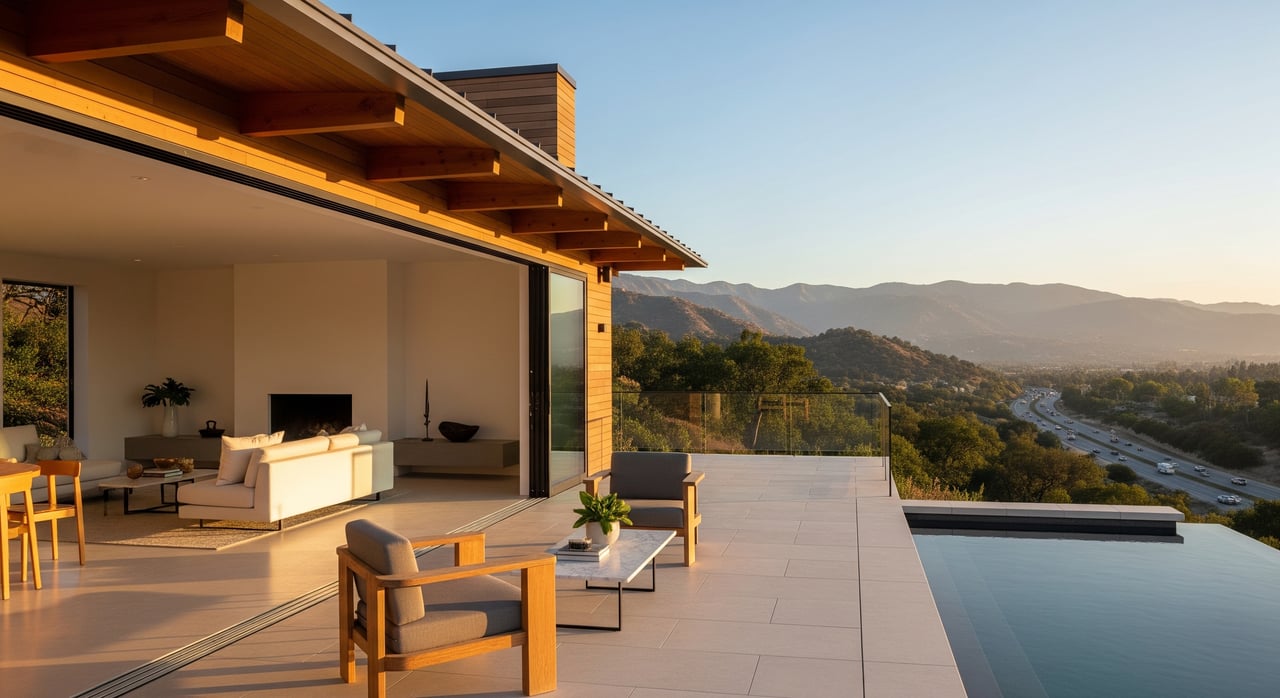
Agoura Hills offers mostly single-family homes on medium to large lots, along with pockets of condos and townhomes. Architectural styles range from ranch and traditional to newer contemporary builds. Many buyers come from the Westside or Valley seeking more indoor-outdoor space and a quieter residential feel.
Property taxes in California follow statewide rules that combine a base rate with local assessments. Your final tax obligation depends on the purchase price and the specific neighborhood. Some communities include homeowner associations with monthly dues, so review CC&Rs early in underwriting to understand restrictions and budget.
Step-by-step relocation timeline
Use this checklist to keep your move organized and on schedule.
8–12 weeks before move
- Confirm school boundaries and start enrollment with LVUSD. Gather residency, immunization, and transcript documents.
- Research utilities for your address and pre-schedule turn-on dates for electric, gas, water, and trash.
- Get written estimates from licensed movers. Ask about insurance and peak-season surcharges.
- If you will drive to work, explore commuter benefits, carpool options, and potential park-and-ride with Metrolink.
2–4 weeks before move
- Finalize your moving date and any parking or building permits for move day.
- File a change of address with the U.S. Postal Service and update banks, insurance, subscriptions, and medical providers.
- Transfer medical and dental records, identify local pediatricians and pharmacies, and book first appointments.
- Schedule internet, TV, and phone installation. Slots can be limited, so plan ahead.
Move week and first days
- Create a day-of essentials kit with chargers, medications, school forms, snacks, and pet supplies.
- Update your driver’s license and vehicle registration if required through the California DMV. Register to vote if you have not already.
- If you are using a relocation concierge, coordinate unpacking priorities, a neighborhood orientation, and service vendor scheduling.
First 30–90 days
- Finalize school enrollment and extracurricular sign-ups. Track registration windows.
- Sign up for city alerts and community services. Meet neighbors and local associations.
- Test your commute during different rush hours for a full week to set reliable departure thresholds.
- If your commute is not working, try different routes, adjust hours, or explore park-and-ride and hybrid options.
Smart tradeoffs and how to plan for them
The core tradeoff for many buyers is straightforward. You gain space, privacy, and direct access to the Santa Monica Mountains. In return, you may face a longer or more variable commute than a Westside address. By using live traffic tools, building flexibility into your schedule, and planning logistics early, you can capture the lifestyle benefits while keeping your workweek manageable.
If you would like a tailored relocation packet, our team can assemble a utility setup checklist with provider contacts, vetted mover and contractor referrals, a school enrollment guide, and a customizable timeline that aligns with your closing date and school start. For white-glove support from search to settled, connect with Alessandro Corona.
FAQs
How long will my Agoura Hills commute take?
- Use live tools like Caltrans QuickMap before each drive, expect variability at peak hours, and test your route during the times you plan to travel.
Is public transit practical from Agoura Hills?
- Transit is more limited than in central LA; Metrolink and regional buses can work for specific routes but typically require planning and transfers.
Which public schools serve Agoura Hills addresses?
- Most addresses fall within Las Virgenes Unified School District; verify your specific school assignment with LVUSD before you buy or lease.
What are the main lifestyle tradeoffs when relocating?
- You typically gain more space and outdoor access in exchange for longer or less predictable commute times compared with living on the Westside.
What common relocation mistakes should I avoid?
- Do not underestimate commute variability, miss school enrollment deadlines, book movers late, or wait to confirm utility start dates and installations.