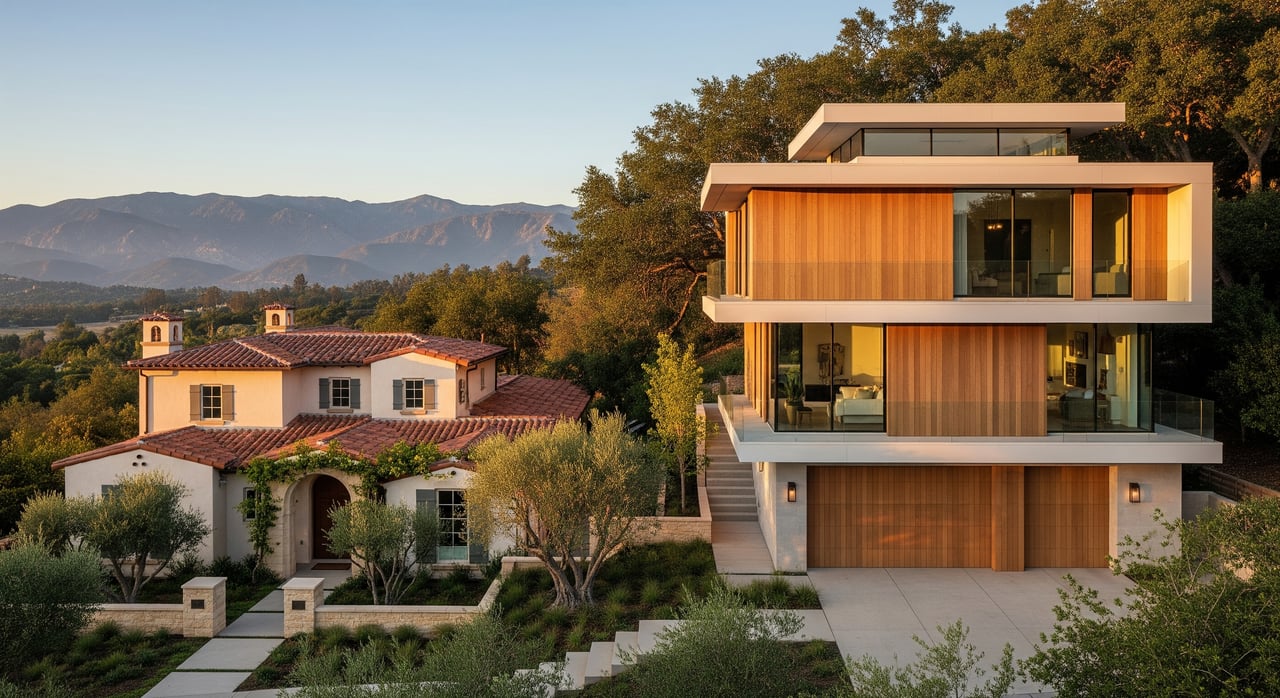
Trying to decide between a brand-new home and a character-rich resale in Thousand Oaks? You are not alone. With limited land for large new communities and steady demand across the Conejo Valley, the right choice often comes down to your budget, timing, and lifestyle. In this guide, you will learn how new construction and resale stack up on customization, timelines, inspections, financing, and long-term value so you can move forward with confidence. Let’s dive in.
Thousand Oaks market context
Thousand Oaks is a mature suburban city in central Ventura County with established neighborhoods, open space, and convenient access to regional job centers. Most development occurred in the mid-to-late 20th century, which means resale homes make up the majority of available inventory. New single-family construction tends to be smaller infill projects, accessory dwelling units, or limited subdivisions rather than large master-planned communities.
Local zoning, design standards, and environmental review can extend timelines for multi-home projects and add cost. Buyers often prioritize proximity to schools, parks, and commute corridors, which are consistent value drivers in this market. Inventory has historically been constrained relative to demand, so preparation and a clear decision framework are key.
New construction vs resale at a glance
New construction advantages
- Highest potential for personalization if you buy early in the build.
- Modern systems, energy-efficient design, and potential for solar or EV-ready wiring.
- Express builder warranties for workmanship and structural elements.
Resale advantages
- Wider selection in established neighborhoods with mature landscaping.
- Faster, more predictable closing timelines once contingencies are removed.
- Greater flexibility to negotiate price, credits, and repairs during escrow.
Common tradeoffs
- New builds can carry price premiums and longer timelines, with potential delays.
- Resales may require immediate repairs or renovations that add to total cost.
- HOA dues or special assessments can apply in both scenarios depending on the property.
Purchase experience and negotiation
New construction mechanics
With a new build, you typically negotiate with a builder or developer using builder-drafted contracts and addenda. Sales often occur in phases, from lot selection to finish choices at a design center. Negotiation points usually include upgrades or allowances, lot premiums, closing incentives, and sometimes rate buydowns.
Builder contracts may limit certain contingencies or remedies and often include arbitration language. Review the agreement carefully and confirm timelines, permitted inspections, and what happens if the builder experiences delays.
Resale transaction basics
Resale purchases in California generally use standard forms and a familiar escrow process. You have broad scope to negotiate price, closing costs, and inspection items. Sellers must provide required disclosures, including property condition statements and any HOA documents if applicable.
For resales, weigh repair credits versus seller-performed work, and consider escrow holdbacks when appropriate. Clear communication on timing, including rent-backs or a seller’s replacement-home needs, helps prevent surprises.
Customization and design choices
New-build personalization
Buying early in construction gives you the most control over floor plans, finishes, and layout options. Builders often offer curated packages plus a la carte upgrades. Keep in mind that allowances can be limited, and premium selections add to the final price. Future-ready items like EV circuits, solar readiness, and enhanced electrical capacity are easier and more cost-effective to incorporate during construction.
Resale updates and remodeling
Resales provide character and mature streetscapes that new communities may not match at first. However, major changes typically require remodeling and permits. Labor and permit costs in the region can be higher than national averages, so factor renovation time and budget into your total plan if personalization is important to you.
Timelines and move-in planning
New construction timing
New homes range from quick move-in inventory to to-be-built properties with longer schedules. A full build cycle can span several months or longer depending on permitting, supply chains, and weather. Delays are not unusual, so confirm how your contract addresses them and what remedies apply.
If timing is tight, consider completed inventory homes, which often close in a similar window to resales but can carry premiums for convenience.
Resale timing
Once contingencies are removed, most resales close in roughly 30 to 60 days depending on financing and escrow. Seller needs can affect timing, such as a desired rent-back or a contingency to find a replacement property. If you must move by a specific date, confirm everyone’s timing up front and build in buffer.
Inspections, warranties, and risk
What to expect with new builds
Builders commonly provide express warranties, often one year for workmanship and longer coverage for structural systems. You may be allowed specific inspection windows, such as pre-drywall and final walkthroughs. Some builders limit independent inspections or require approved inspectors, so verify access and process before you sign.
Even new homes can have defects that surface after move-in. Builder reputation, written warranty terms, and clear claim procedures are critical to managing that risk.
What to expect with resales
Resale buyers typically arrange independent inspections such as general home, termite or pest, roof, HVAC, and sewer scope. If issues arise, you can negotiate repairs, credits, or pricing. There is usually no express warranty unless the seller provides one, so thorough inspections and careful review of disclosures are essential.
Financing, costs, and taxes
- Purchase price vs all-in cost: New construction can carry premiums, but modern systems may lower near-term maintenance and utilities. Resales might trade below replacement cost or provide value for buyers willing to renovate.
- Financing and incentives: Builders sometimes offer lender incentives or rate buydowns. Always compare terms with independent lenders to ensure net benefit.
- Closing costs and concessions: You may negotiate upgrades or closing credits on a new build. In resales, buyers often seek credits for inspection findings or near-term capital items.
- Operating costs: Newer homes often meet current energy standards, which can reduce monthly expenses. HOA dues may apply for both new and established communities depending on the property.
- Property taxes: In California, both new and resale purchases trigger reassessment to the purchase price. Some newer planned developments can include special taxes or assessments, which you should verify in disclosures.
Long-term value in Thousand Oaks
In Thousand Oaks, fundamentals like lot size, privacy, and views often drive resale value more than a home’s age alone. A well-sited property with hillside or mountain views can command a meaningful premium. Limited new-home supply can help preserve value for quality new builds, while resales in stable neighborhoods remain competitive when they offer desirable location features.
The builder’s reputation and construction quality matter. Homes that meet current energy standards, include solar, or are EV-ready can have broader appeal at resale. Architectural compatibility with the surrounding neighborhood also influences performance, especially where most homes were built in earlier decades.
A simple decision checklist
Step A — Clarify priorities
- Must-haves vs nice-to-haves: move-in date, floor plan, yard size, single-level or two-story, parking and EV charging.
- Budget: total purchase budget, room for upgrades or renovations, and reserves for maintenance.
- Timing: fixed date tied to work or school, or flexibility by several months.
- Risk comfort: willingness to manage construction timelines and warranty claims vs desire for predictability.
Step B — Vet a specific new build
- What are the warranty terms and claim process?
- Are independent inspections allowed at key stages?
- How do allowances work, and what do upgrades cost?
- Is there an HOA, and what are the dues and rules?
- Any special assessments or community facility fees?
- What is the completion timeline and typical delay history?
- Are incentives tied to using a preferred lender or escrow?
- What is the builder’s local track record and references?
Step C — Vet a specific resale
- Age and condition of roof, HVAC, plumbing, sewer, and electrical panel.
- Any open permits, known issues, or required disclosures.
- Days on market and pricing history.
- Seller’s timing, including rent-back needs.
- Whether to order a sewer scope or additional specialty inspections.
Step D — Negotiation levers
- New builds: target upgrades, closing credits, rate buydowns, and lot premium adjustments. Consider requesting extended warranty coverage in writing.
- Resales: use inspection findings to negotiate repairs or credits. Consider appraisal strategies and credits for near-term capital items.
Example scenarios
- You need to move in 60 days. Focus on completed new-home inventory or well-qualified resales. Avoid to-be-built homes with uncertain schedules.
- You want tailored finishes and are flexible on timing. A to-be-built new home with design center selections can provide the customization you want. Get itemized pricing before committing to upgrades.
- You prefer an established street with mature landscaping. A resale may align better with your lifestyle. Budget realistically for updates that matter most to you, like kitchen, baths, or energy improvements.
Next steps in Thousand Oaks
Your best move is to align the property with your timeline and total cost of ownership, not just the sticker price. Confirm inspection scope, review disclosures, and compare any builder incentives against independent financing. If you are weighing two finalists, estimate 5-year ownership costs, including potential renovations, HOA dues, utilities, and projected maintenance.
If you want a curated shortlist of both on-market and quiet new-build opportunities plus top-tier resales, connect with Alessandro Corona for tailored guidance and a smooth, concierge-level buying experience.
FAQs
Is a new home more reliable than a resale in Thousand Oaks?
- Not always. New homes offer modern systems and warranties, but defects can occur. Resales may have more visible wear, yet thorough inspections and negotiation help manage risk.
How long does a new construction purchase take?
- Completed inventory homes can close in about 30 to 60 days, while to-be-built homes can take several months or longer, depending on permitting and supply conditions.
What inspections should I get on a resale?
- Common choices include a general home inspection, termite or pest, roof, HVAC, and a sewer scope. Add specialty inspections as property age and location suggest.
Do new homes have HOAs or special taxes?
- Many new communities include HOAs, and some have special assessments. Review HOA documents and tax disclosures to understand dues, rules, and any assessments.
Are property taxes higher for new builds in California?
- Both new and resale purchases trigger reassessment to the purchase price. Special taxes are more common in some new developments, so verify during due diligence.
Can builders offer better mortgage deals?
- Builders may offer incentives like rate buydowns or closing credits. Compare all-in costs with independent lenders to determine which option truly benefits you.